









Our job
 publicaciones en otros medios
From climate exceptionalism to system policy
From climate exceptionalism to system policy
Cuadernos de Energía
Fecha: 24 Julio 2026
Authors: Luis Quiroga, Toni Timoner
In April 2026, the IPCC's new CMIP7 framework formally eliminated the most extreme climate scenarios—SSP5-8.5 and its predecessor RCP8.5—declaring them implausible given falling renewable costs and the emergence of climate policies. The adjustment is significant: compared to the 128 Gt of CO₂ and up to 4.4 °C assumed by SSP5-8.5, the new "High" scenario stands at 71 Gt (45% less) and around 3.5 °C. This is not a technicality, but a foundational shift that dismantles much of the "climate exceptionalism" of European and Spanish energy policy.
The correction does not diminish the urgency of decarbonization, but normalizes it as "system policy", shifting the focus from binding targets to security of supply, total system cost, and expenditure efficiency. Hence five shifts:
- more "clean abundance" of supply (grids, storage, interconnections) and less demand containment;
- gas as a transitional backup asset rather than a "moral anomaly";
- a more tech-focused and less identity-driven policy, evaluating each technology by results;
- adaptation and resilience at the core, with the water-energy nexus as the Mediterranean axis; and
- more disciplined subsidies, subject to cost-effectiveness and ex-post evaluation.
Everything unfolds across three waves: a regulatory one (targets, taxonomies, carbon markets), a systemic one (grids, firm power, flexibility, storage), and a third, industrial wave (electrification, value chains, strategic autonomy). For Spain, the opportunity lies in positioning itself in those last two waves without falling into denialism or maximalism: less energy policy as a moral gesture and more as an architecture of prosperity, security, and effective decarbonization.
 Read more
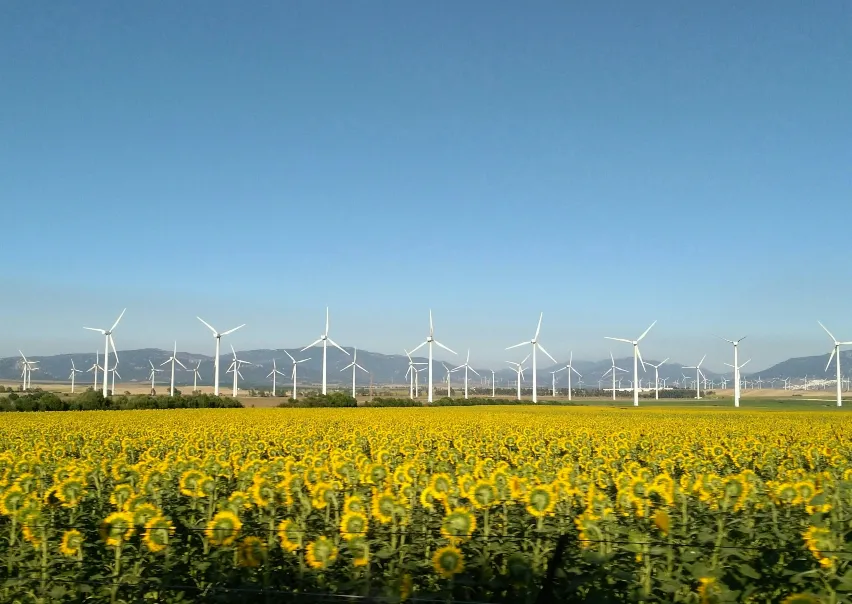
Luis Quiroga and Toni Timoner write for the Cuadernos de Energía of the Spanish Energy Club on the implausibility of the IPCC's SSP5-8.5 scenario, recently removed from the future analytical framework, and its implications for energy policy.
From climate exceptionalism to system policy
24 Julio 2026Luis Quiroga and Toni Timoner write for the Cuadernos de Energía of the Spanish Energy Club on the implausibility of the IPCC's SSP5-8.5 scenario, recently removed from the future analytical framework, and its implications for energy policy.
Read
From climate exceptionalism to system policy
24 Julio 2026Luis Quiroga and Toni Timoner write for the Cuadernos de Energía of the Spanish Energy Club on the implausibility of the IPCC's SSP5-8.5 scenario, recently removed from the future analytical framework, and its implications for energy policy.
OIKOS Analysis - Heatwaves
19 Julio 2026Following the recent publication of two articles by Roger Pielke Jr (The Honest Broker), OIKOS reflects on the incidence of heatwaves and the implications of mitigating and adapting on a planet warming at unequal speeds.
Read
OIKOS Analysis - Heatwaves
19 Julio 2026Following the recent publication of two articles by Roger Pielke Jr (The Honest Broker), OIKOS reflects on the incidence of heatwaves and the implications of mitigating and adapting on a planet warming at unequal speeds.
Grid policy
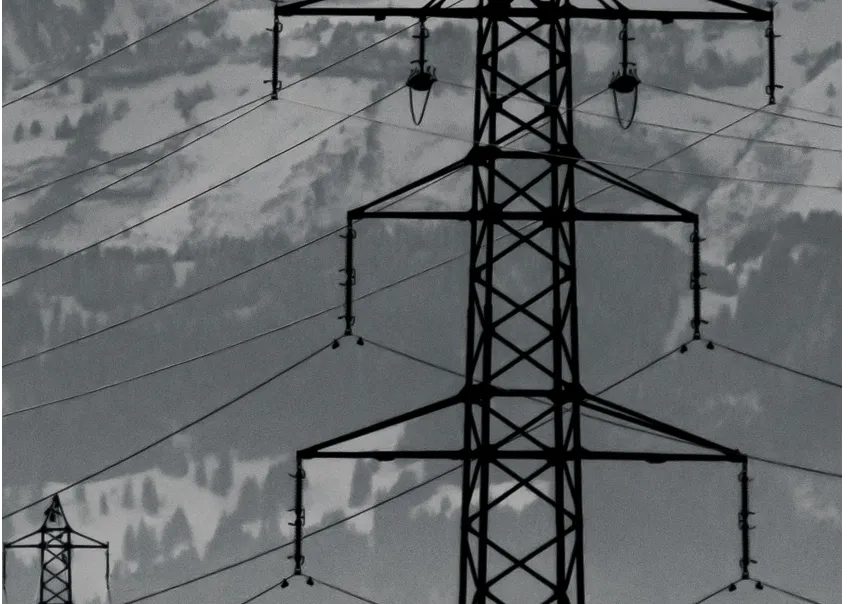
11 Julio 2026The accelerated electrification of the Spanish economy, driven by renewables, has made electricity transmission and distribution networks a critical infrastructure for the country's competitiveness.
Read
Grid policy
11 Julio 2026The accelerated electrification of the Spanish economy, driven by renewables, has made electricity transmission and distribution networks a critical infrastructure for the country's competitiveness.
