






Our job
 publicaciones propias
Natural capital: Private financing for the benefit of nature
Natural capital: Private financing for the benefit of nature
Fecha: 31 Octubre 2025
Authors: Jorge Alarcón, Toni Timoner
Spain's prosperity depends on the health of its natural capital: forests, fertile soils, aquifers and ecosystems that support agriculture, tourism and energy. Clean water, pollination, land fertility and climate stability depend on their good condition. Without them, the economy simply does not function.
In Europe, the value of these ecosystem services is estimated at more than 230 billion euros annually, a figure equivalent to 1.5% of European GDP. This «natural dividend» sustains much of our wealth and employment, but it erodes as we degrade soils, rivers and forests. In fact, 75% of all corporate loans in the euro area are granted to non-financial companies whose activity critically depends on at least one ecosystem service, according to the European Central Bank. Caring for nature is not an environmental luxury, but a strategic investment to maintain the very foundations of prosperity.
The European Nature Restoration Law requires rehabilitating at least 20% of degraded ecosystems before 2030, opening an unprecedented space for private investment in nature-positive projects. The OIKOS report proposes mobilizing capital through tax incentives, green guarantee funds and nature credit markets that recognize restoration as an economic asset.
Three Spanish examples —Nittúa, which monetizes aquifer recharge; FSC, which certifies sustainable forest management; and Nactiva, which channels private investment into regenerative projects— demonstrate that protecting nature can be profitable. Incorporating it into economic and financial accounting is not philanthropy, but strategy: an opportunity for competitiveness, stability and prosperity for Spain in the decade of natural capital.
Spain can lead the nature economy: the OIKOS report explains how to mobilize private investment to restore ecosystems, reduce climate losses and turn biodiversity into an economic and competitive advantage
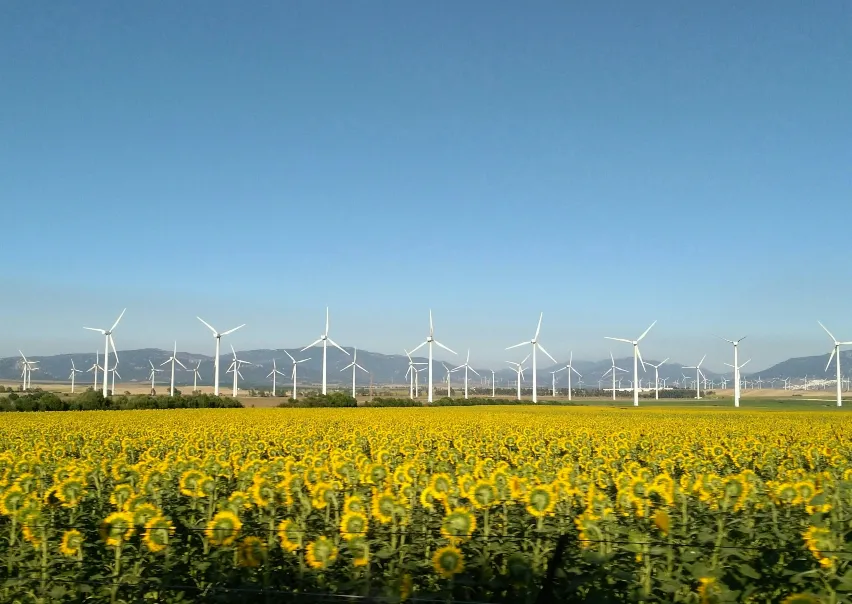
From climate exceptionalism to system policy
24 Julio 2026Luis Quiroga and Toni Timoner write for the Cuadernos de Energía of the Spanish Energy Club on the implausibility of the IPCC's SSP5-8.5 scenario, recently removed from the future analytical framework, and its implications for energy policy.
Read
From climate exceptionalism to system policy
24 Julio 2026Luis Quiroga and Toni Timoner write for the Cuadernos de Energía of the Spanish Energy Club on the implausibility of the IPCC's SSP5-8.5 scenario, recently removed from the future analytical framework, and its implications for energy policy.

OIKOS Analysis - Heatwaves
19 Julio 2026Following the recent publication of two articles by Roger Pielke Jr (The Honest Broker), OIKOS reflects on the incidence of heatwaves and the implications of mitigating and adapting on a planet warming at unequal speeds.
Read
OIKOS Analysis - Heatwaves
19 Julio 2026Following the recent publication of two articles by Roger Pielke Jr (The Honest Broker), OIKOS reflects on the incidence of heatwaves and the implications of mitigating and adapting on a planet warming at unequal speeds.
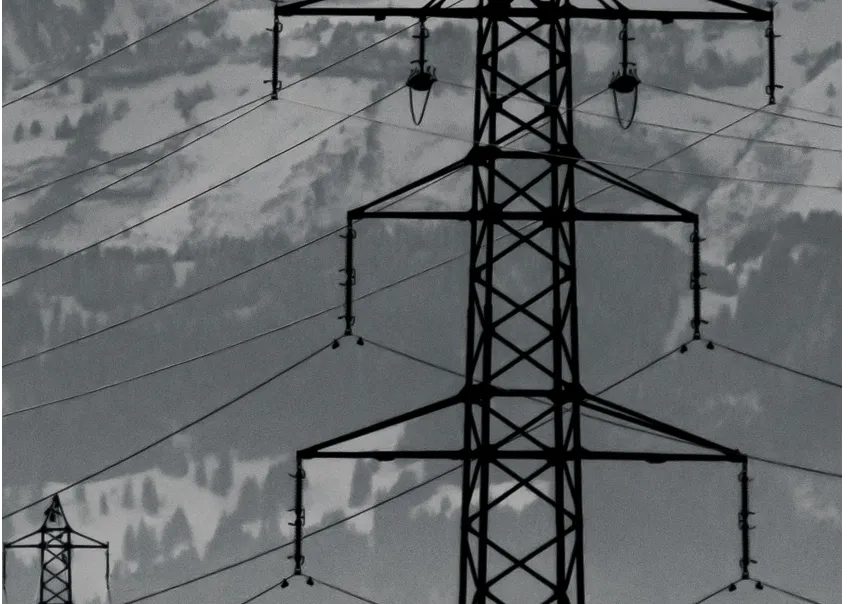
Grid policy
11 Julio 2026The accelerated electrification of the Spanish economy, driven by renewables, has made electricity transmission and distribution networks a critical infrastructure for the country's competitiveness.
Read
Grid policy
11 Julio 2026The accelerated electrification of the Spanish economy, driven by renewables, has made electricity transmission and distribution networks a critical infrastructure for the country's competitiveness.
