










Our job
 eventos
Presentation of the report "Climate dividends: How to drive a just energy transition to achieve greater social support?"
Presentation of the report "Climate dividends: How to drive a just energy transition to achieve greater social support?"
Fecha: 27 Enero 2025
On Wednesday, January 29, from 5:00 p.m. to 7:00 p.m., the presentation of the report "Climate dividends. How to drive a just energy transition to achieve greater social support?", prepared by OIKOS, took place in the Cánovas Room of the Congress of Deputies.
The event was opened by Toni Timoner, vice president of OIKOS and author of the report, who presented the key aspects of the document: the potential of redistributive mechanisms — like climate dividends — to strengthen the social acceptance of carbon pricing policies, mitigate inequalities, and consolidate public support for the ecological transition.
Following the presentation, an expert panel was held featuring Lara Lázaro (senior climate and energy analyst at Real Instituto Elcano), Xavier Labandeira (Professor of Economics at the University of Vigo and expert in environmental taxation), Julián Cubero (chief climate scenario economist at BBVA Research), and Toni Timoner himself. The event concluded with a round table discussion with spokespersons from the main parliamentary groups, at a decisive moment for the design of the Social Climate Plan, which will define the destination of revenues derived from emissions trading.
Presentation at Congress of the OIKOS report on climate dividends, a proposal to reinforce social support for the energy transition through fair and redistributive taxation.

Por qué un centro de datos no es de izquierdas ni de derechas y qué pasa cuando se le trata como si lo fuera
11 Septiembre 2026Luis Quiroga, cofundador de OIKOS y coautor de "El ecologista de derechas", firma una tribuna en Agenda pública donde defiende que un centro de datos no es de izquierdas ni de derechas, y que leer el debate en clave partidista lleva a regular mal.
Read
Por qué un centro de datos no es de izquierdas ni de derechas y qué pasa cuando se le trata como si lo fuera
11 Septiembre 2026Luis Quiroga, cofundador de OIKOS y coautor de "El ecologista de derechas", firma una tribuna en Agenda pública donde defiende que un centro de datos no es de izquierdas ni de derechas, y que leer el debate en clave partidista lleva a regular mal.

La necesidad de una propuesta ambiental de centro derecha
11 Agosto 2026La politóloga Cristina Monge firma tribuna en El País donde se hace eco de la labor de OIKOS como principal centro de pensamiento del centro-derecha español en materia de cambio climático y medio ambiente.
Read
La necesidad de una propuesta ambiental de centro derecha
11 Agosto 2026La politóloga Cristina Monge firma tribuna en El País donde se hace eco de la labor de OIKOS como principal centro de pensamiento del centro-derecha español en materia de cambio climático y medio ambiente.
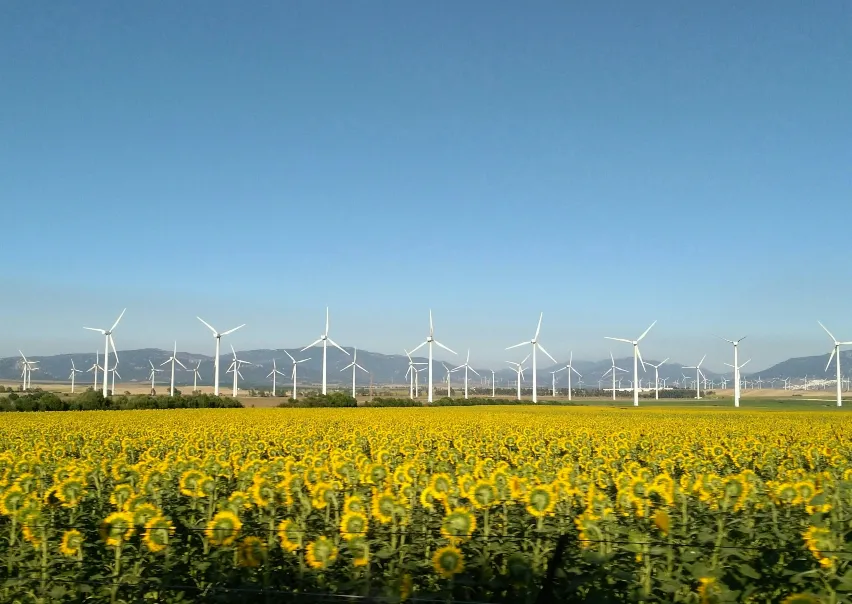
From climate exceptionalism to system policy
24 Julio 2026Luis Quiroga and Toni Timoner write for the Cuadernos de Energía of the Spanish Energy Club on the implausibility of the IPCC's SSP5-8.5 scenario, recently removed from the future analytical framework, and its implications for energy policy.
Read
From climate exceptionalism to system policy
24 Julio 2026Luis Quiroga and Toni Timoner write for the Cuadernos de Energía of the Spanish Energy Club on the implausibility of the IPCC's SSP5-8.5 scenario, recently removed from the future analytical framework, and its implications for energy policy.
